Menu

Leave a Message

Thank you for your message. We will be in touch with you shortly.

Top Historical Sites in San Mateo

01/2/26  |  Stephanie Nash

A look at the landmarks and places that shaped one of the Peninsula’s most established communities.


San Mateo’s history is woven into its neighborhoods, parks, and civic spaces. Long before it became a central Peninsula city, the area developed around rail lines, agriculture, and early industry that connected San Francisco to the South Bay. Today, those layers of history remain visible in preserved buildings, public gardens, and waterfront sites that continue to be used and appreciated. Exploring historical sites in San Mateo offers insight into how the city grew and why it remains such a desirable place to live.

Central Park and the San Mateo Arboretum


Central Park is situated at the heart of downtown San Mateo and has been a gathering place for over a century. Established in the early 1900s, the park reflects the City Beautiful movement that influenced urban planning throughout California. Tree-lined paths, open lawns, and carefully designed garden spaces lend the park a sense of structure that remains relevant today.

Within Central Park, the San Mateo Arboretum showcases the city’s enduring commitment to horticulture and public outdoor spaces. Mature trees and carefully curated plantings create a setting that feels both historic and well-maintained. For residents, this park is not a museum piece. It remains part of daily life, hosting community events, casual walks, and seasonal gatherings.

The San Mateo Japanese Garden


Located within Central Park, the San Mateo Japanese Garden adds another layer to the city’s cultural history. Designed in the mid-20th century, the garden reflects traditional Japanese design principles adapted to a California setting. Stone bridges, koi ponds, and carefully pruned plantings create a space that encourages quiet use and reflection.

The garden’s continued care and use highlight how San Mateo preserves cultural influences while integrating them into modern life. It remains one of the most recognizable historical sites in San Mateo, not because it feels frozen in time, but because it continues to function as intended.

Historic Downtown and Early Commercial Buildings


Downtown San Mateo experienced rapid development with the arrival of the railroad, and traces of this growth remain visible in the city's older commercial buildings and street layouts. While many structures have been updated, the scale and orientation of downtown still reflect its early role as a Peninsula hub.

Walking through downtown, it is easy to spot buildings that date back to the early 20th century, particularly along streets that once served as primary retail corridors. These structures anchor the city’s modern dining and shopping scene, blending historic foundations with contemporary use.

Coyote Point Recreation Area


Coyote Point sits along San Francisco Bay and plays an important role in San Mateo’s history. Once used for early aviation experiments and military purposes, the area later transitioned into public recreational use. Its waterfront location made it a strategic site long before it became a park.

Today, Coyote Point balances open space with historical significance. The nearby CuriOdyssey science museum reflects the site’s educational legacy, while walking paths and shoreline access connect visitors to the Bay in a way that feels both historical and current. This blend makes it one of the most dynamic historical sites in San Mateo.

San Mateo City Hall


San Mateo City Hall stands as a reminder of the city’s early civic development. Built in the early 1900s, the building reflects architectural styles common to public institutions of the era. Its presence underscores the importance San Mateo placed on governance and public infrastructure as the city grew.

Unlike many historic civic buildings that have been replaced or relocated, City Hall continues to serve its original purpose. This continuity adds to its significance and reinforces the city’s commitment to preserving functional history rather than replacing it.

Hillsdale and the Evolution of Suburban Growth


While Hillsdale is often associated with mid-century suburban development, its history plays a significant role in San Mateo’s story. The area reflects post-war growth patterns that shaped much of the Peninsula, including residential expansion and the rise of regional shopping centers.

Understanding Hillsdale’s development helps explain how San Mateo transitioned from an early rail town to a modern city with diverse neighborhoods. This period of growth remains visible in housing styles, street layouts, and community planning choices that continue to influence the city today.

Residential Architecture and Historic Neighborhoods


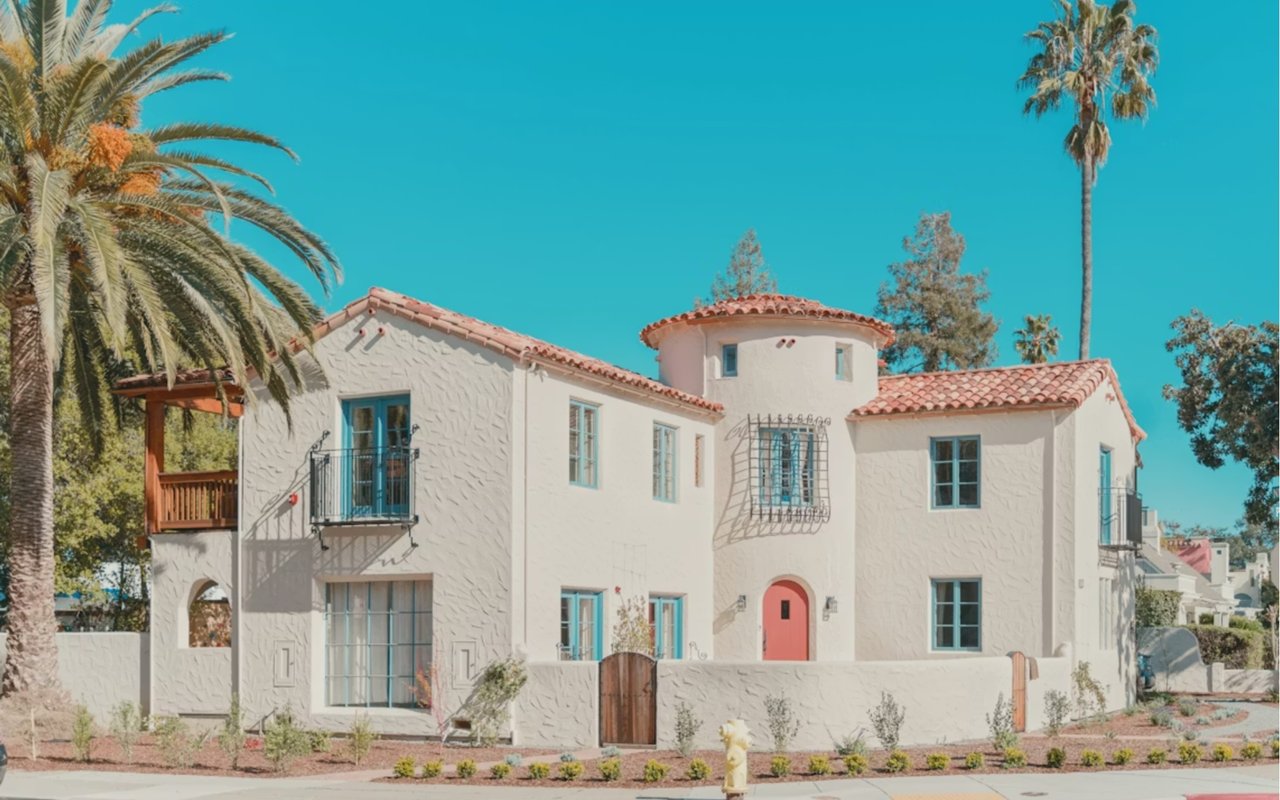
San Mateo’s historic character is not limited to public buildings. Several neighborhoods feature homes built in the early to mid-20th century that reflect architectural trends of their time. Craftsman, Spanish Revival, and early ranch-style homes appear throughout the city, often preserved through careful updates rather than full replacement.

These residential areas illustrate how history influences daily life. Buyers interested in character homes often focus on these neighborhoods because they offer a sense of continuity alongside modern convenience. This residential history is a key reason historical sites in San Mateo extend beyond formal landmarks.

Navigating San Mateo With an Informed Perspective


Understanding San Mateo’s historical landscape adds depth to any real estate decision. Stephanie Nash helps clients evaluate San Mateo neighborhoods with an eye toward history, location, and long-term value, guiding buyers and sellers through a market shaped by both tradition and thoughtful growth. Her local insight supports decisions that reflect not just current conditions, but the context behind them. Work with Stephanie Nash to explore San Mateo real estate.

*Header image courtesy of Unsplash


Stephanie Nash

Stephanie Nash

About The Author

For more than three decades, Stephanie Nash has been one of the Peninsula’s most trusted and proven real estate advisors, serving Woodside, Portola Valley, Atherton, Redwood City, Emerald Hills, San Carlos, Half Moon Bay, and the surrounding communities from Burlingame to Los Gatos.

Born and raised on the Peninsula, Stephanie brings true insider knowledge of the region; its micro-neighborhoods, school corridors, country-property enclaves, and the lifestyle features that make this area so coveted: sunny weather, an easygoing spirit, hiking trails, large-parcel retreats, ocean-view hillsides, and world-class food and culture.

A career built on experience, ethics, and results

Stephanie began her real estate career in 1987 working in local title companies before becoming the assistant to a top-producing agent. She earned her real estate license in 1991, and since then has built a reputation as a solutions-driven, ethical, and steady negotiator who guides clients through every complexity of a California transaction.

Her track record includes everything from luxury estates to rural acreage to trust and estate sales, including the successful sale of a 500-acre property, a transaction requiring extensive due diligence, jurisdictional navigation, and long-term strategy.

Nationally recognized performance

Stephanie has been recognized multiple times by RealTrends as one of the “Best Agents in America,” most recently in 2024; an honor reserved for the top tier of agents nationwide based on verified production.

Expert Witness in Real Estate Matters

In addition to client representation, Stephanie now serves as a retained Expert Witness in California real estate cases—including valuation disputes, fiduciary sales, marketing standards, agent performance, disclosure practices, and industry-standard care.

What clients rely on her for

Whether you are buying, selling, downsizing, expanding, or handling a trust/estate sale, Stephanie offers:

  • Deep regional expertise across multiple Peninsula micro-markets

  • Strong negotiation skills grounded in fairness, strategy, and consistent communication

  • Experience in complex transactions (trusts, estates, multiple-heir negotiations, title defects, rural land issues)

  • Compassionate guidance rooted in decades of hands-on client service

  • Unmatched availability and responsiveness

Clients praise her listening skills, honesty, and ability to navigate even the most emotional or complicated sale with clarity and professionalism.

A life built around community and care

Stephanie is deeply grateful for her family, her life on the Peninsula, and the meaningful relationships formed through her work. 

Work With Stephanie

Stephanie respects residential real estate’s dual role as a personal investment and chief financial one. Whether you are buying or selling a home, it will likely be one of the largest financial decisions you make. Stephanie will be with you every step of the way to expertly guide you.

Let's Connect