By the time most of El Granada is pouring its first cup of coffee, the working side of Pillar Point Harbor has already been up for hours. Sport boats and commercial fishing crews are loading gear at Johnson Pier, gulls are working the bait tanks, and the marsh at the harbor's edge is doing its quiet business of hosting whatever migratory bird happened to stop over that week. Come back to that same stretch of water at nine on a Friday night and you'd swear you were in a different town. The parking lot at Old Princeton Landing is full, a band is setting up, and the line for a table at Barbara's Fishtrap runs past the door.
Here's the thing almost nobody who lives here says out loud: Pillar Point Harbor isn't one place with two moods. It's two harbors that happen to share a breakwater, and most residents have only ever really gotten to know one of them.
The split isn't an accident of scheduling. It's built into how this stretch of coast came together. El Granada was laid out as a resort town, its curving streets famously platted by architect Daniel Burnham with ocean views in mind. Princeton, a few blocks over, grew up as a working harbor. The San Mateo County Harbor District was created by a 1933 county election, went dormant through the Depression, and only got its breakwater built after the Army Corps of Engineers picked up the project following World War II, finishing it in 1961. The Johnson Pier, the docks, and the 369 berths that define the harbor today weren't added until the 1970s and 1980s.
So you've got a resort-town street grid wrapped around a genuine working port, and the port still runs like one. That's why a coastal town of this size supports a live music venue booking touring acts most weekends and a marsh where serious birders show up before sunrise. Both are real. They just don't overlap much.
If you've only ever visited Pillar Point Harbor for dinner, this is the version you're missing.
One longtime visitor summed up the coffee scene bluntly: "Best coffee in Half Moon Bay and anywhere!" That's not a knock on the harbor's evening reputation. It's a sign that the morning version of this place has its own following, separate from the crowd that shows up for dinner and a show.
Flip the clock forward eight or nine hours and the same half mile of waterfront becomes something else entirely.
Old Princeton Landing has built a name for itself as the Coastside's biggest little music house, running jazz, funk, soul, reggae, rock, and indie acts on a rotating bill most weekends of the year. A few doors down, Ketch Harbor Pub has been a fixture since 1975, still serving a Dungeness Crab Benedict it's leaned on as a house classic for five decades. Barbara's Fishtrap sits right on the harbor's edge with a dog-friendly patio and a menu built around fish and chips, chowder, and crab sandwiches. Mezza Luna operates out of the historic 1906 Princeton Inn, serving Italian food including its signature salmon ravioli for more than 30 years. And Your Mom's Haus, a taproom a block off the beach in El Granada, built its bar top from wood salvaged from a 1906 San Francisco saloon that sat hidden through Prohibition.
None of that is tourist dressing. It's the version of the harbor that residents who work nine-to-five actually experience, because it's the only version they're usually awake for.
| If you're there before 9 a.m. | If you're there after 6 p.m. |
|---|---|
| Boats loading at Johnson Pier | Bands loading in at Old Princeton Landing |
| Dawn Patrol Coffee, quiet counter | Barbara's Fishtrap, a line out the door |
| Marsh at its quietest, best for birding | Marsh empty, everyone's at dinner |
| Spangler's Market, locals doing errands | Ketch Harbor Pub and Mezza Luna, tables full |
The harbor doesn't split neatly down the middle of the day. It splits down the middle of who shows up.
The same double identity shows up in the surf. Mavericks Beach, just around Pillar Point, is known nationally for its big-wave competitions and draws a crowd that treats the water as something to respect from a distance most of the year. Surfers Beach, closer into the harbor, is the everyday version, a spot locals actually paddle out at on an ordinary Tuesday. Same headland, same breakwater protecting both, completely different relationship to the ocean depending on which beach you're standing on.
If there's one part of this harbor that gets shortchanged by both crowds, it's the marsh. The morning regulars are usually focused on coffee and errands, not birding. The evening crowd never sees it in daylight at all. But a wetland that pulls in nearly a fifth of all North American bird species sitting a few hundred feet from a parking lot most people use to get to dinner is not a small thing to have on your doorstep. It just requires showing up at a time of day that doesn't naturally align with either of the harbor's two main audiences.
None of this means residents need to become morning birders or start closing down Old Princeton Landing on a Saturday night. It just means the harbor rewards people who've clocked both versions of it. The neighbor who only knows the dinner rush thinks of Pillar Point as a restaurant row with a nice view. The one who's walked the pier at seven in the morning knows it's still, underneath all of that, a working port that happens to also be a great place to eat. Both readings are correct. Neither one is complete on its own.
If you want a fuller picture of what makes this stretch of coast work, our El Granada / Princeton neighborhood guide covers more of the area's daily rhythm, and the San Mateo County Harbor District's own history of Pillar Point Harbor is worth a read if you've ever wondered how a fishing village and a resort town ended up sharing one breakwater.
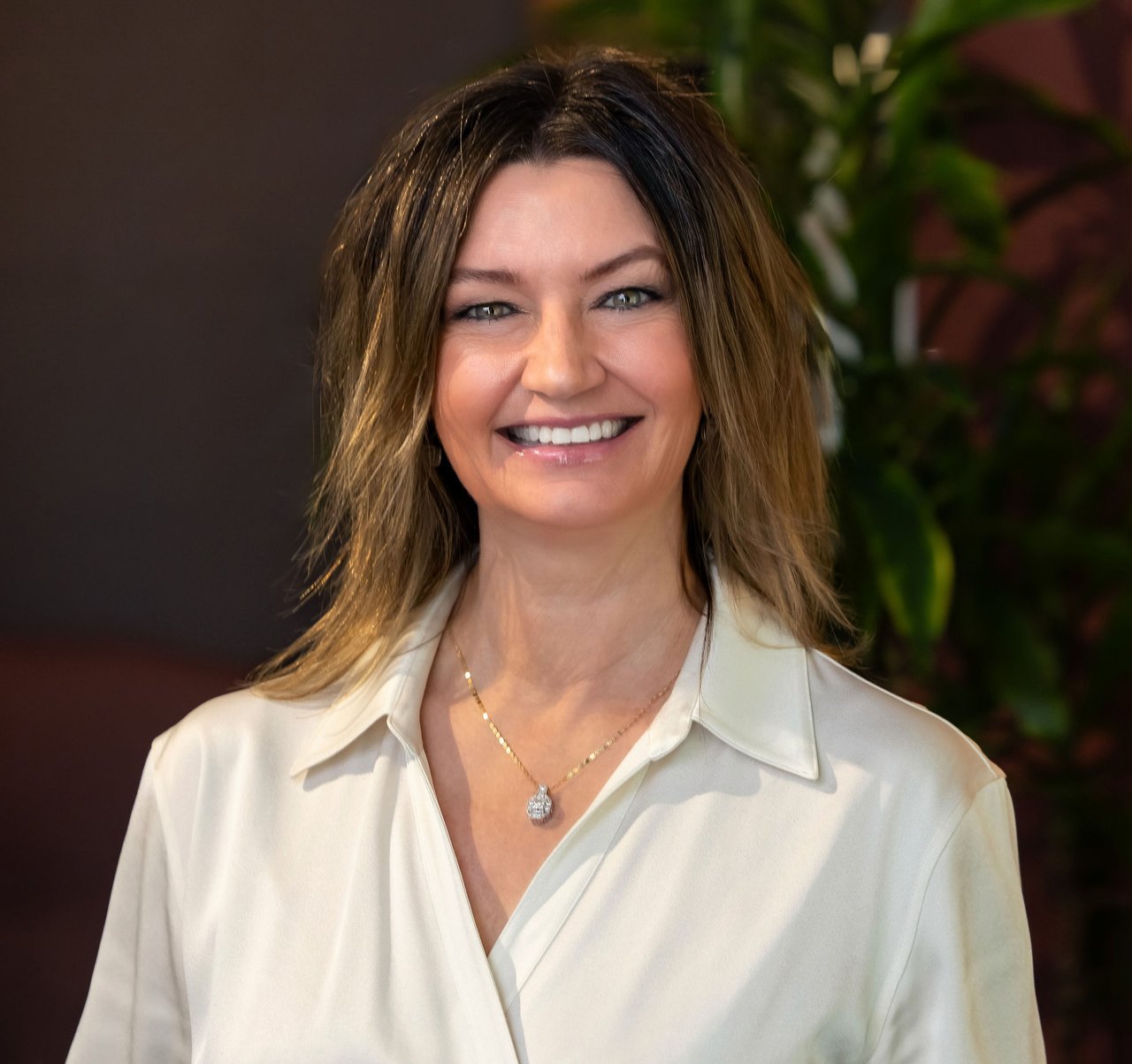
If you're weighing a move within the Coastside, or just want a local's read on how a neighborhood actually functions day to day, Stephanie Nash has spent decades getting to know these streets from both clocks. Let's Connect.
Primary phone
(650) 995-3820License Number
#01104524Address
2930 Woodside RdAbout The Author
For more than three decades, Stephanie Nash has been one of the Peninsula’s most trusted and proven real estate advisors, serving Woodside, Portola Valley, Atherton, Redwood City, Emerald Hills, San Carlos, Half Moon Bay, and the surrounding communities from Burlingame to Los Gatos.
Born and raised on the Peninsula, Stephanie brings true insider knowledge of the region; its micro-neighborhoods, school corridors, country-property enclaves, and the lifestyle features that make this area so coveted: sunny weather, an easygoing spirit, hiking trails, large-parcel retreats, ocean-view hillsides, and world-class food and culture.
Stephanie began her real estate career in 1987 working in local title companies before becoming the assistant to a top-producing agent. She earned her real estate license in 1991, and since then has built a reputation as a solutions-driven, ethical, and steady negotiator who guides clients through every complexity of a California transaction.
Her track record includes everything from luxury estates to rural acreage to trust and estate sales, including the successful sale of a 500-acre property, a transaction requiring extensive due diligence, jurisdictional navigation, and long-term strategy.
Stephanie has been recognized multiple times by RealTrends as one of the “Best Agents in America,” most recently in 2024; an honor reserved for the top tier of agents nationwide based on verified production.
In addition to client representation, Stephanie now serves as a retained Expert Witness in California real estate cases—including valuation disputes, fiduciary sales, marketing standards, agent performance, disclosure practices, and industry-standard care.
Whether you are buying, selling, downsizing, expanding, or handling a trust/estate sale, Stephanie offers:
Deep regional expertise across multiple Peninsula micro-markets
Strong negotiation skills grounded in fairness, strategy, and consistent communication
Experience in complex transactions (trusts, estates, multiple-heir negotiations, title defects, rural land issues)
Compassionate guidance rooted in decades of hands-on client service
Unmatched availability and responsiveness
Clients praise her listening skills, honesty, and ability to navigate even the most emotional or complicated sale with clarity and professionalism.
Stephanie is deeply grateful for her family, her life on the Peninsula, and the meaningful relationships formed through her work.
Stephanie respects residential real estate’s dual role as a personal investment and chief financial one. Whether you are buying or selling a home, it will likely be one of the largest financial decisions you make. Stephanie will be with you every step of the way to expertly guide you.
Let's ConnectAddress
2930 Woodside Road
Woodside, CA 94062
CA DRE# 01104524