You just got an accepted offer in Burlingame. Now what? If you are like most buyers and sellers, the escrow timeline can feel fast, detailed, and a little mysterious. You want to know what happens, when it happens, and how to keep everything on track. This guide walks you through each step, shows typical timelines for cash and financed deals, and gives you simple checklists to avoid delays. Let’s dive in.
Escrow is a neutral third party that holds funds and documents while the conditions of your purchase contract are met. In California, escrow is handled by title and escrow companies or independent escrow firms. They coordinate the earnest money, disclosures, title work, loan documents, and the final recording of the deed.
Escrow opens right after your offer is accepted. You will receive escrow instructions, wire information, and an escrow number. From there, your team works toward funding and recording, which is when ownership transfers.
Most financed purchases in Burlingame close in about 30 to 45 calendar days from the accepted offer. Many buyers aim for 30 days, but 45 days is common for complex loans or if the seller needs more time. Cash purchases often close faster, typically 7 to 21 days, based on title clearance and your readiness.
Most contracts use calendar days unless the contract says otherwise. Some federal loan disclosure timelines use business days, so your lender and escrow officer will help you track those specific notices.
Below is a typical sequence. Your contract and lender may set different exact dates.
After a completed application, your lender issues the Loan Estimate within 3 business days.
The appraisal is typically ordered promptly and scheduled within 7 to 14 days. Reports often return about 5 to 10 business days after the inspection.
Underwriting can take 7 to 21 days or more depending on documentation and appraisal results.
Loan contingency windows in many California contracts are 17 to 21 days, but your negotiated contract governs the exact timing.
This lets you inspect the property and request repairs or cancel within the agreed window. Burlingame’s competitive market sometimes encourages shorter or waived inspection periods. That can speed up closing but raises risk, so weigh it carefully with your agent.
The loan contingency protects you if financing cannot be secured in time. Appraisal is a part of most financed loans and can affect value negotiations. In high-demand areas, appraisal shortfalls can occur, which may require you to cover a gap, renegotiate, or cancel if the contingency is still active.
You review the preliminary title report for easements, liens, or other exceptions. Most items are routine, but some need clearing before closing. Your escrow and title team will guide the process and timing.
If you are buying a condo or townhome, you will review HOA rules, fees, and financials. All buyers should carefully review disclosures that may affect repairs, insurance, or future plans. Late documents can justify extensions under many contracts.
Burlingame is part of a high-demand Peninsula market. Offers can move quickly, and sellers may prefer shorter timelines. You may see tighter contingency windows or requests to waive some contingencies.
High values can lead to appraisal questions when comparable sales lag behind rising prices. If the appraisal comes in low, the deal may slow while you and the seller negotiate or you arrange additional funds.
Condos and planned communities add an extra step for HOA review. If the management company is slow to deliver the resale package, your agent may need to request more time.
Local title and escrow providers in San Mateo County are well established. Recording follows county norms, and once funded, recording usually happens within 1 to 3 business days.
You can shorten escrow with a cash purchase, a well-documented loan, or shorter contingencies. Waiving contingencies may speed closing but raises risk. Extensions are possible if both sides agree in writing. Some extensions may require an addendum, additional deposit, or lender approval.
Wire fraud is a real risk. Before sending funds, call your escrow officer using a verified phone number from the company’s official materials, not an email. Do not rely on emailed wiring changes. Double-check the account name and the exact amounts. If anything looks off, stop and call.
A clear escrow plan, strong communication, and local expertise make all the difference in Burlingame. If you want calm, detail-focused guidance from offer to recording, reach out to Stephanie Nash for a conversation about your next steps.
Primary phone
(650) 995-3820License Number
#01104524Address
2930 Woodside Rd,About The Author
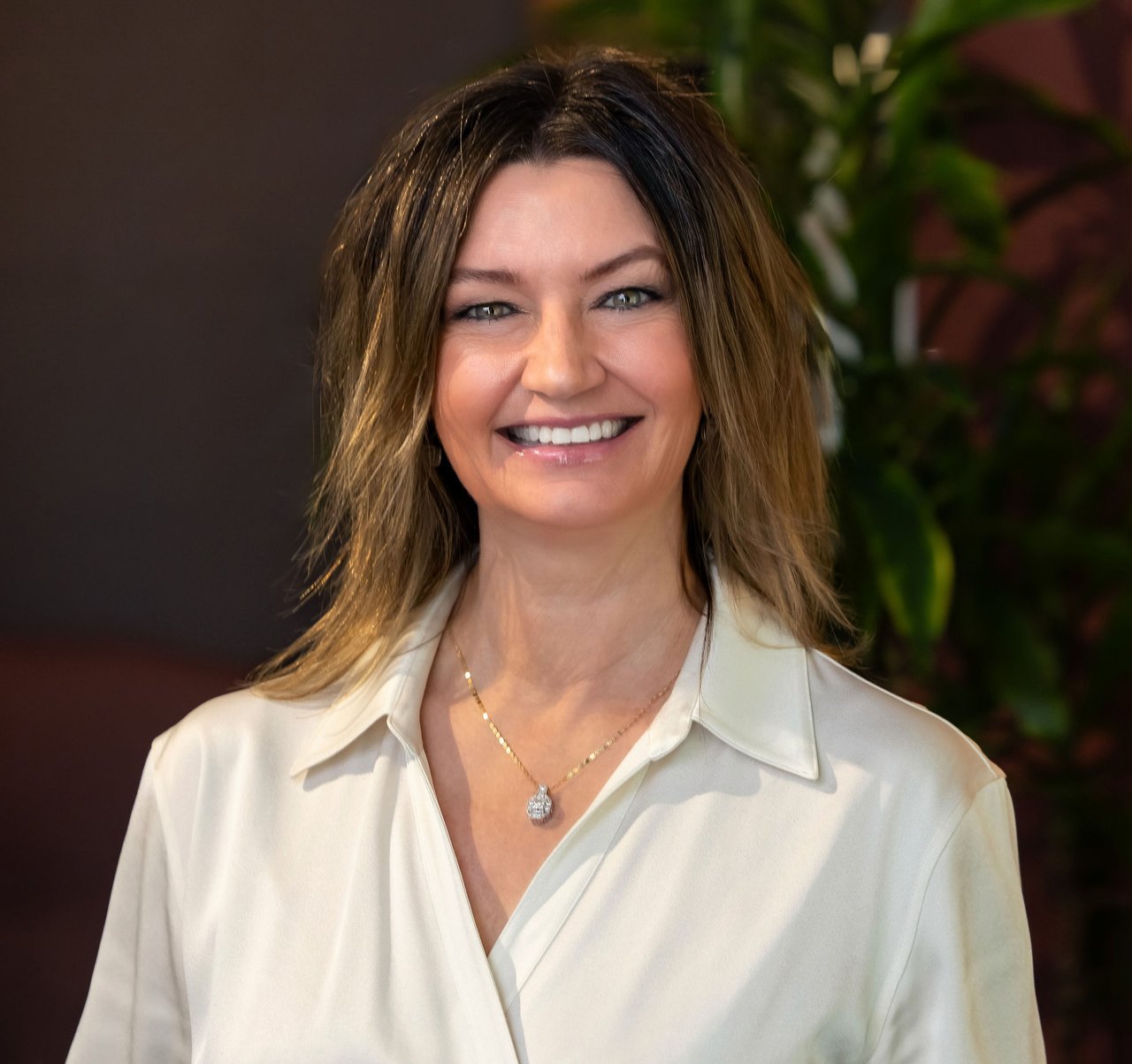
For more than three decades, Stephanie Nash has been one of the Peninsula’s most trusted and proven real estate advisors, serving Woodside, Portola Valley, Atherton, Redwood City, Emerald Hills, San Carlos, Half Moon Bay, and the surrounding communities from Burlingame to Los Gatos.
Born and raised on the Peninsula, Stephanie brings true insider knowledge of the region; its micro-neighborhoods, school corridors, country-property enclaves, and the lifestyle features that make this area so coveted: sunny weather, an easygoing spirit, hiking trails, large-parcel retreats, ocean-view hillsides, and world-class food and culture.
Stephanie began her real estate career in 1987 working in local title companies before becoming the assistant to a top-producing agent. She earned her real estate license in 1991, and since then has built a reputation as a solutions-driven, ethical, and steady negotiator who guides clients through every complexity of a California transaction.
Her track record includes everything from luxury estates to rural acreage to trust and estate sales, including the successful sale of a 500-acre property, a transaction requiring extensive due diligence, jurisdictional navigation, and long-term strategy.
Stephanie has been recognized multiple times by RealTrends as one of the “Best Agents in America,” most recently in 2024; an honor reserved for the top tier of agents nationwide based on verified production.
In addition to client representation, Stephanie now serves as a retained Expert Witness in California real estate cases—including valuation disputes, fiduciary sales, marketing standards, agent performance, disclosure practices, and industry-standard care.
Whether you are buying, selling, downsizing, expanding, or handling a trust/estate sale, Stephanie offers:
Deep regional expertise across multiple Peninsula micro-markets
Strong negotiation skills grounded in fairness, strategy, and consistent communication
Experience in complex transactions (trusts, estates, multiple-heir negotiations, title defects, rural land issues)
Compassionate guidance rooted in decades of hands-on client service
Unmatched availability and responsiveness
Clients praise her listening skills, honesty, and ability to navigate even the most emotional or complicated sale with clarity and professionalism.
Stephanie is deeply grateful for her family, her life on the Peninsula, and the meaningful relationships formed through her work.
How Real Estate Contingencies in San Mateo County Protect Buyers and Sellers.
What Smart Updates Do the Most When You Are Selling a Home in Woodside.
Stephanie respects residential real estate’s dual role as a personal investment and chief financial one. Whether you are buying or selling a home, it will likely be one of the largest financial decisions you make. Stephanie will be with you every step of the way to expertly guide you.
Let's ConnectAddress
2930 Woodside Road
Woodside, CA 94062
CA DRE# 01104524