Walk the two blocks of B Street and Baldwin Avenue near the Caltrain station this month and it looks like a neighborhood in the middle of an identity crisis. Wursthall is gone after seven years of German beer and sausages. Tomatina and Vespucci both closed at the end of December. The storefronts that replaced them have different names, different cuisines, different owners. If you only glance at the marquee changes, downtown San Mateo looks like it's churning.
It isn't. Look at who actually signed those leases, and a different pattern shows up. Almost none of the businesses filling this corner are first restaurants. They're second locations from operators who already proved the concept somewhere else on the Peninsula, and they picked this specific stretch of downtown to do it again.
Start with 310 Baldwin Avenue, the building everyone still calls "the old Wursthall corner." Wursthall closed at the end of January. Whisper, a Korean-inspired brunch spot from chef Nick Yoon, soft-opened upstairs on January 22, days before the old restaurant's lease officially ended. Yoon spent a decade as executive chef at Sweet Maple in San Francisco before running kitchens for W Hotel, JW Marriott, and The Ritz-Carlton. Whisper isn't a first attempt at a concept. It's a chef who already built a brunch following elsewhere bringing that same instinct, at roughly 140 seats with an open kitchen and a seven-seat bar, to a bigger room in a new city.
The basement did something even more interesting. Wunderbar, the cocktail bar that's operated below the restaurant since 2021, closed for two months last fall when Wursthall's closure looked like it might take the whole building down with it. General manager Xian Choy didn't know if the incoming tenant would let the bar keep its lease.
"When we lost our lease at Wursthall, we thought we were done completely. We didn't think continuing was a possibility."
Wunderbar reopened in December with the same team, a refreshed cocktail list built around monthly specials, and an expanded zero-proof menu. So the ground floor changed hands. The basement never really left. If you were a regular who assumed the whole corner had turned over, you missed that the bar under your feet just kept pouring, same bartenders, new drinks.
Walk a few storefronts over to 311 Baldwin Avenue, the address that used to hold Tomatina and Vespucci. Both closed at the end of December. In February, Reposado opened there, and if the name sounds familiar, it should. Rob Fischer opened the original Reposado in Palo Alto in 2009. He also runs Palo Alto Creamery, Scratch, and British Bankers Club. This isn't a restaurateur testing a new idea on San Mateo. It's a seventeen-year-old Mexican fine dining concept expanding to a market Fischer clearly already had his eye on.
The build-out tells you how serious the bet is. Fischer combined two 2,200-square-foot spaces into a single 4,400-square-foot restaurant inside Brickline Flats, directly across from the San Mateo Caltrain station, with a black ceiling, abstract chandeliers, and ribbed wood panels that he says were a deliberate departure from the original Palo Alto space's rustic feel. "The original location is rustic, and we took the Palo Alto space down to its bones," Fischer said of the design choice. He's not recreating the first restaurant. He's building a second one that assumes downtown San Mateo can support the upgrade.
The same pattern shows up a few doors away at 7 North B Street, inside the Brickline building, where Johnny's is opening its second location. The original Johnny's is a breakfast and brunch spot in Half Moon Bay that opened in 2023. Owner Betsy Del Fierro, who also runs It's Italia in Half Moon Bay with her husband, said the decision to expand came from watching the first location keep getting busier rather than plateauing. The menu at the new spot will stay close to the original rather than reinvent itself for a new zip code.
Put the three side by side and the coincidence stops looking like a coincidence. A chef who spent a decade proving a brunch concept in San Francisco. A seventeen-year-old Palo Alto institution doubling its footprint. A three-year-old Half Moon Bay favorite that outgrew its own success. Downtown San Mateo isn't attracting entrepreneurs rolling the dice on a first restaurant. It's attracting operators who already know their concept works and picked this corner as the place to scale it.
That's a different kind of neighborhood signal than "new restaurants opened." It means the people who study this stuff for a living, the ones who watch foot traffic and lease terms before anyone else commits, decided this particular stretch of B Street and Baldwin was worth a second bet.
Walk ten minutes east from that corner, across El Camino Real, and you land in a part of downtown that hasn't changed leases in over a century. San Mateo's Central Park sits on land the city bought in 1922, a little over 16 acres that used to be the Kohl family estate. Every restaurant on Baldwin Avenue could turn over twice more in the next decade and the park would look exactly the same.
The Japanese Garden inside it was designed by Nagao Sakurai, a landscape architect who worked for the Imperial Palace in Tokyo, and it's still ranked 14th among public gardens in North America. The granite pagoda, tea house, and bamboo grove haven't been redesigned since Sakurai laid them out. From spring through summer, staff still feed the koi at 11 a.m. and 3 p.m. on weekdays, a schedule that predates almost everyone currently eating brunch at Whisper. The miniature train that circles part of the park has been running since 1948, carrying kids on the same twelve-inch gauge track their grandparents likely rode.
That contrast is the actual shape of downtown San Mateo right now. The restaurant corner reinvents itself every few years, and each reinvention arrives with more confidence than the last, because the people signing those leases already know their concepts work. Two blocks away, a garden designed for the Imperial Palace of Tokyo runs on a feeding schedule nobody has bothered to change in decades. Both are working exactly as intended. One just moves faster than the other.
If you're plotting an evening around this corner, the order writes itself: dinner at Reposado or brunch at Whisper, a walk east past El Camino to the Japanese Garden before the 3 p.m. koi feeding, and a nightcap back at Wunderbar once the sun's down. None of it requires a reservation for the garden and none of it requires knowing the history. But knowing it changes how you read the next storefront that goes dark on Baldwin Avenue. It's rarely a sign the block is struggling. More often it's a sign someone else is about to bet their second act on it.
If you're the kind of person who notices when a neighborhood's businesses start behaving like this, you probably think about the neighborhood itself the same way. Stephanie Nash has spent decades watching how Peninsula communities like San Mateo actually work, not just how they're marketed. If you're curious what a corner like this means for the block you live on, or you just want to talk shop about the next restaurant to watch, Let's Connect.
Primary phone
(650) 995-3820License Number
#01104524Address
2930 Woodside Rd,About The Author
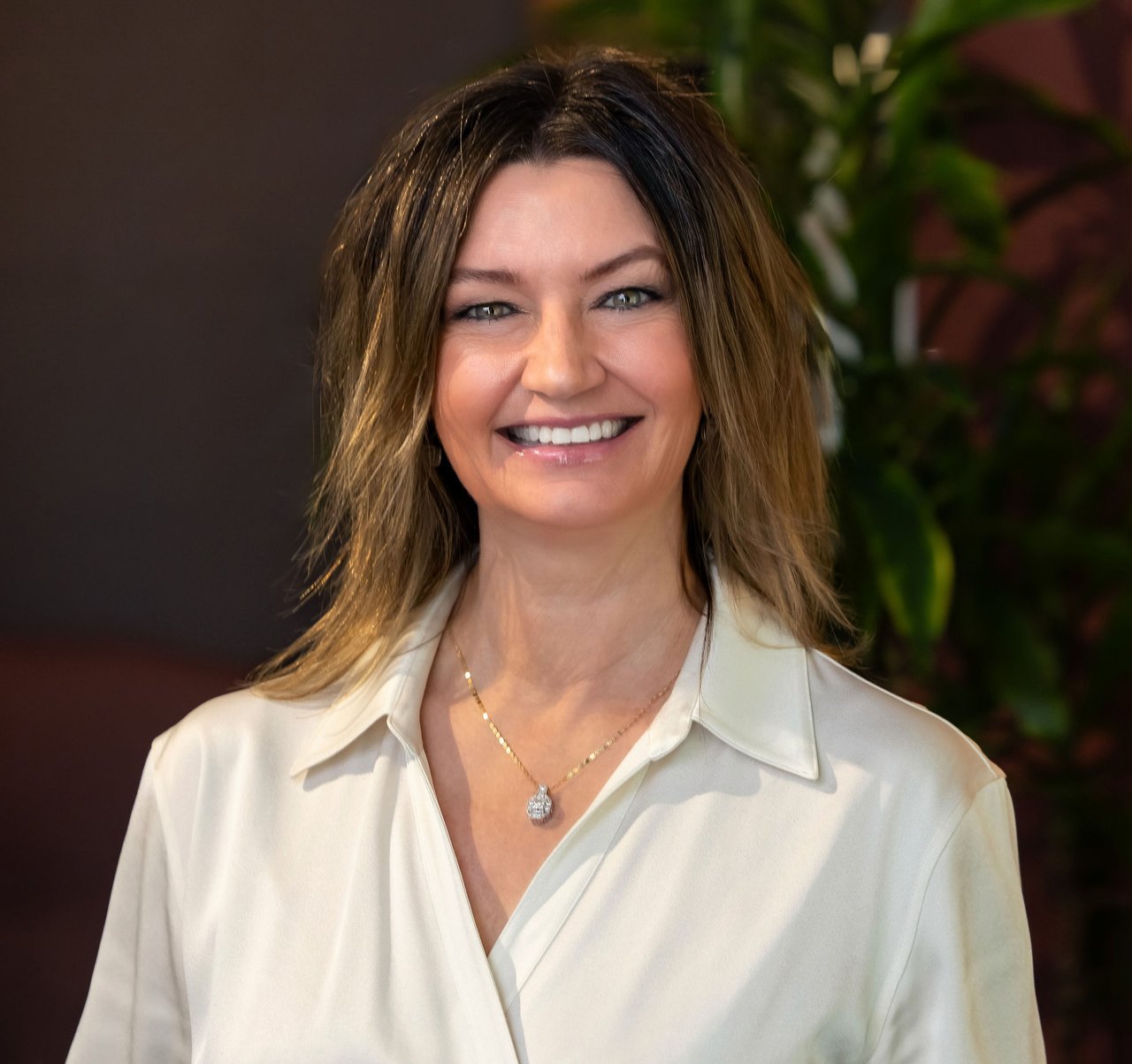
For more than three decades, Stephanie Nash has been one of the Peninsula’s most trusted and proven real estate advisors, serving Woodside, Portola Valley, Atherton, Redwood City, Emerald Hills, San Carlos, Half Moon Bay, and the surrounding communities from Burlingame to Los Gatos.
Born and raised on the Peninsula, Stephanie brings true insider knowledge of the region; its micro-neighborhoods, school corridors, country-property enclaves, and the lifestyle features that make this area so coveted: sunny weather, an easygoing spirit, hiking trails, large-parcel retreats, ocean-view hillsides, and world-class food and culture.
Stephanie began her real estate career in 1987 working in local title companies before becoming the assistant to a top-producing agent. She earned her real estate license in 1991, and since then has built a reputation as a solutions-driven, ethical, and steady negotiator who guides clients through every complexity of a California transaction.
Her track record includes everything from luxury estates to rural acreage to trust and estate sales, including the successful sale of a 500-acre property, a transaction requiring extensive due diligence, jurisdictional navigation, and long-term strategy.
Stephanie has been recognized multiple times by RealTrends as one of the “Best Agents in America,” most recently in 2024; an honor reserved for the top tier of agents nationwide based on verified production.
In addition to client representation, Stephanie now serves as a retained Expert Witness in California real estate cases—including valuation disputes, fiduciary sales, marketing standards, agent performance, disclosure practices, and industry-standard care.
Whether you are buying, selling, downsizing, expanding, or handling a trust/estate sale, Stephanie offers:
Deep regional expertise across multiple Peninsula micro-markets
Strong negotiation skills grounded in fairness, strategy, and consistent communication
Experience in complex transactions (trusts, estates, multiple-heir negotiations, title defects, rural land issues)
Compassionate guidance rooted in decades of hands-on client service
Unmatched availability and responsiveness
Clients praise her listening skills, honesty, and ability to navigate even the most emotional or complicated sale with clarity and professionalism.
Stephanie is deeply grateful for her family, her life on the Peninsula, and the meaningful relationships formed through her work.
Stephanie respects residential real estate’s dual role as a personal investment and chief financial one. Whether you are buying or selling a home, it will likely be one of the largest financial decisions you make. Stephanie will be with you every step of the way to expertly guide you.
Let's ConnectAddress
2930 Woodside Road
Woodside, CA 94062
CA DRE# 01104524