Buying or selling in San Mateo County and wondering what closing costs will look like? You are not alone. With higher home prices from Burlingame to Redwood City and the Coastside, those line items can add up fast. In this guide, you will learn typical ranges, who usually pays what, how cash deals differ from financed purchases, and how to plan your budget with fewer surprises. Let’s dive in.
Closing costs are the fees and prepaid items needed to transfer a home from seller to buyer. They cover services like escrow and title, transfer taxes, recording, inspections, and, for borrowers, lender-related fees. In San Mateo County, dollar amounts tend to be higher because sale prices are higher.
Customs can vary by neighborhood and deal. Many items are negotiable. Your contract, escrow officer, and lender will confirm the final split.
These are fees for managing the transaction and funds. In our market, buyers and sellers often split escrow costs. Fees often scale with price, so high-value sales carry higher absolute fees.
An owner’s policy protects the buyer’s title. A lender’s policy protects the lender. It is common in California for the seller to pay the owner’s policy and the buyer to pay the lender’s policy if there is a loan. Practices can vary, and premiums scale with price.
County and some city governments charge transfer taxes when ownership changes hands. The seller usually pays these taxes in San Mateo County, but it is negotiable. Rates depend on whether the property is within a city that also levies a tax. Always confirm the property’s city and current rates with the county recorder and the city’s finance office.
The county charges to record documents like the deed and, if applicable, a deed of trust. Buyers typically pay for their recording fees. Sellers may pay to record reconveyance documents tied to their loan payoff.
If you are financing, expect lender fees such as origination, underwriting, processing, credit report, appraisal, and document prep. Your lender must provide a Loan Estimate within 3 business days of your application and a final Closing Disclosure at least 3 business days before closing.
Property taxes and HOA dues are prorated so each party pays for the period they own the home. Escrow may hold funds for agreed repairs or final adjustments.
California property tax includes a base 1% levy on assessed value under Proposition 13, plus local assessments or parcel taxes. After a sale in San Mateo County, buyers often receive a supplemental property tax bill when the property is reassessed. Budget for this bill, which may arrive months after closing.
Condos and many townhomes have HOA transfer and document fees. Timing for HOA documents can affect your escrow calendar. Who pays is negotiable and can vary by building.
Buyers usually pay for inspections they order, such as home and pest inspections. Sellers may pay for any required local compliance items and repairs they agree to complete.
These include notary, courier or wire fees, home warranties if chosen, and payoff or reconveyance fees for the seller’s existing loan.
Cash purchases are simpler because there is no lender. That removes loan origination, underwriting, and lender title policy costs. You still have escrow, title, transfer taxes, recording, prorations, and HOA-related items.
Even in cash deals, consider ordering inspections and an appraisal for peace of mind and insurance purposes. Ask the escrow officer for a full fee estimate early so you know your total.
Use this checklist to build your estimate. Replace ranges with quotes from your lender and your escrow or title company.
Example for a 1,500,000 purchase or sale:
Typical escrows on the Peninsula run about 30 to 45 days. Complex financing or contingencies can extend that.
Eliminate last-minute stress by addressing these items up front.
A few smart moves can lower your cash needed at closing.
Bring these to your agent, lender, and escrow team at the start.
Closing costs in San Mateo County are predictable once you identify which city taxes apply, how title and escrow fees scale with your price point, and what your lender is charging. With clear estimates early and good communication, you can plan your cash to close with confidence.
If you want a steady hand from offer to closing, you can work with a local advisor who has guided buyers and sellers on the Peninsula for decades. For thoughtful, detail-forward support and access to trusted vendors, connect with Stephanie Nash.
Primary phone
(650) 995-3820License Number
#01104524Address
2930 Woodside RdAbout The Author
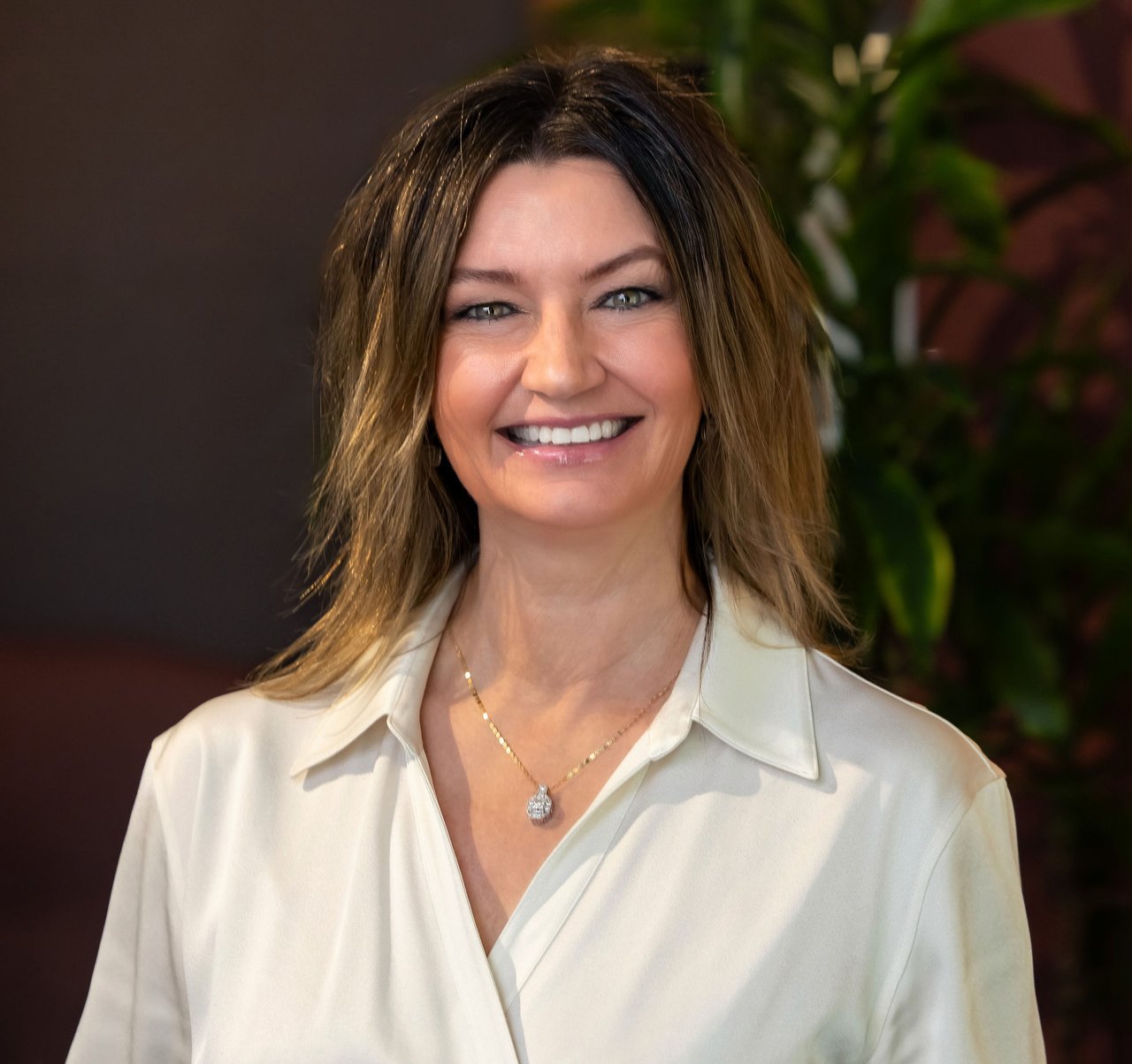
For more than three decades, Stephanie Nash has been one of the Peninsula’s most trusted and proven real estate advisors, serving Woodside, Portola Valley, Atherton, Redwood City, Emerald Hills, San Carlos, Half Moon Bay, and the surrounding communities from Burlingame to Los Gatos.
Born and raised on the Peninsula, Stephanie brings true insider knowledge of the region; its micro-neighborhoods, school corridors, country-property enclaves, and the lifestyle features that make this area so coveted: sunny weather, an easygoing spirit, hiking trails, large-parcel retreats, ocean-view hillsides, and world-class food and culture.
Stephanie began her real estate career in 1987 working in local title companies before becoming the assistant to a top-producing agent. She earned her real estate license in 1991, and since then has built a reputation as a solutions-driven, ethical, and steady negotiator who guides clients through every complexity of a California transaction.
Her track record includes everything from luxury estates to rural acreage to trust and estate sales, including the successful sale of a 500-acre property, a transaction requiring extensive due diligence, jurisdictional navigation, and long-term strategy.
Stephanie has been recognized multiple times by RealTrends as one of the “Best Agents in America,” most recently in 2024; an honor reserved for the top tier of agents nationwide based on verified production.
In addition to client representation, Stephanie now serves as a retained Expert Witness in California real estate cases—including valuation disputes, fiduciary sales, marketing standards, agent performance, disclosure practices, and industry-standard care.
Whether you are buying, selling, downsizing, expanding, or handling a trust/estate sale, Stephanie offers:
Deep regional expertise across multiple Peninsula micro-markets
Strong negotiation skills grounded in fairness, strategy, and consistent communication
Experience in complex transactions (trusts, estates, multiple-heir negotiations, title defects, rural land issues)
Compassionate guidance rooted in decades of hands-on client service
Unmatched availability and responsiveness
Clients praise her listening skills, honesty, and ability to navigate even the most emotional or complicated sale with clarity and professionalism.
Stephanie is deeply grateful for her family, her life on the Peninsula, and the meaningful relationships formed through her work.
Stephanie respects residential real estate’s dual role as a personal investment and chief financial one. Whether you are buying or selling a home, it will likely be one of the largest financial decisions you make. Stephanie will be with you every step of the way to expertly guide you.
Let's ConnectAddress
2930 Woodside Road
Woodside, CA 94062
CA DRE# 01104524