If you want a Peninsula city that feels connected without feeling overwhelming, San Carlos is worth a closer look. You may be looking for a place with a real downtown, easy outdoor access, and daily routines that feel manageable instead of rushed. This guide walks you through what living in San Carlos is like, from neighborhood patterns and dining to parks, commuting, and everyday life. Let’s dive in.
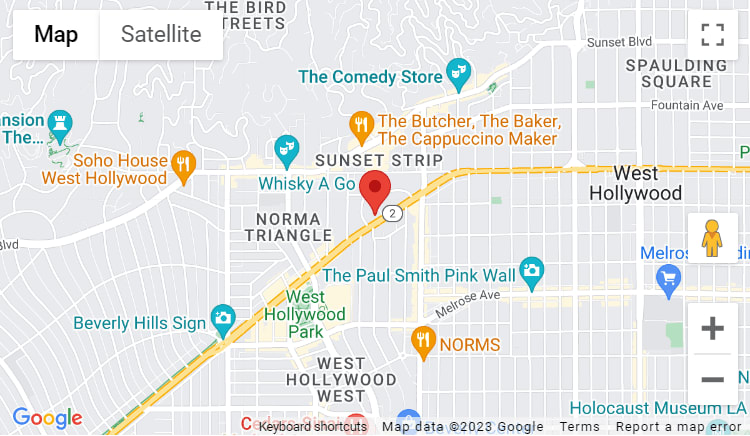
San Carlos is a compact city in central San Mateo County with about 30,490 residents and a footprint of roughly 5.4 square miles. It sits between Redwood City and Belmont, with open space to the west and Redwood Shores and the Bay to the east.
That setting shapes the way the city feels day to day. You get a smaller-town scale with close access to the rest of the Peninsula, which is a big reason many buyers keep San Carlos on their shortlist.
Downtown San Carlos centers on Laurel Street, from San Carlos Avenue to Arroyo Avenue. City planning documents describe this area as the city’s main shopping and dining district, with a pedestrian-friendly layout, locally owned small businesses, public parking, and direct access to Caltrain and SamTrans.
If you like being able to run errands, meet friends for a meal, and stay connected to transit in one area, downtown is a major draw. The city’s current planning direction also supports more walkable streets, better biking, and stronger transit connections in the core.
The Downtown Specific Plan was finalized by the City Council on January 26, 2026, and took effect on February 25, 2026. For you as a buyer or homeowner, that matters because it signals continued attention to how the downtown experience functions over time.
Laurel Street is the heart of daily activity in San Carlos. This is where many residents head for dining, coffee, small shops, and weekly routines that make a community feel active rather than purely residential.
The area also hosts recurring events that bring people together throughout the year. The city newsletter notes a year-round farmers market on Sundays from 9 a.m. to 1 p.m. along Laurel Street, along with annual events like Night of Holiday Lights and Hometown Days at Burton Park.
One of the helpful things to know about living in San Carlos is that the housing feel changes depending on where you are in town. It is not a one-style city, and that variety can be a real advantage if you are trying to match a home to your lifestyle.
City planning materials describe downtown-adjacent and Laurel Street neighborhoods as older and denser, with historic homes, pre-World War II buildings, and a mix of housing types. These areas tend to appeal to buyers who want quicker access to the city center and a more established neighborhood pattern.
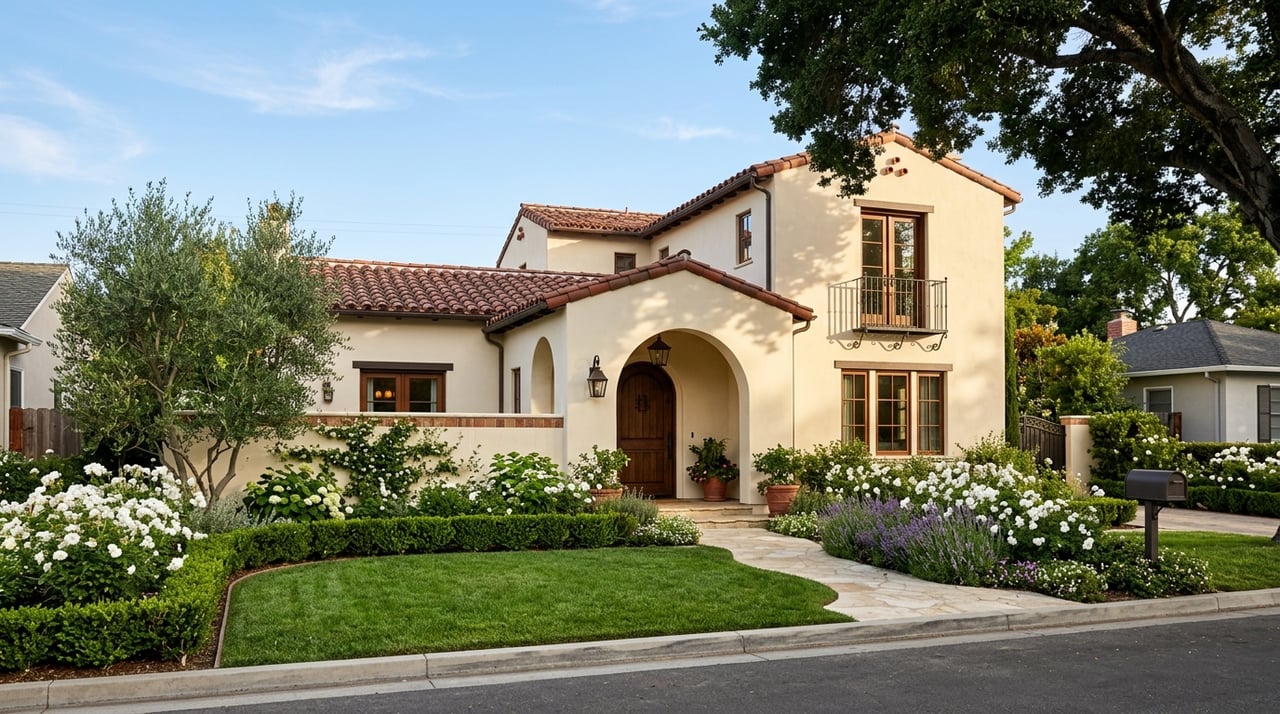
Further south, the city describes the area as being characterized by one- and two-story single-family homes on tree-lined streets. If you picture a more traditional residential setting, this part of San Carlos may line up with that preference.
West of Alameda de las Pulgas, the topography changes the experience in a noticeable way. The city’s general plan describes western San Carlos as hillside terrain where roads follow the contours of the land.
That gives these neighborhoods a different rhythm from the flatter areas near downtown. In practical terms, you may notice winding streets, varied elevations, and a stronger connection to the natural landscape.
Near downtown, the street pattern is more traditional, with grid-like blocks and older trees in some areas. That can make everyday movement feel straightforward, especially if you value proximity to Laurel Street, the station, and local services.
For buyers deciding between convenience and a more tucked-away setting, this contrast is often one of the most important parts of the San Carlos conversation. The city offers both, just in different forms.
San Carlos continues to evolve, especially near transit and the downtown core. According to city planning materials, most new housing growth is expected to come from infill parcels near Downtown, El Camino Real, Old County Road, and East San Carlos Avenue.
The city says much of that new housing will be multifamily, including apartments, townhouses, and condominiums. Changes to single-family housing are more likely to come through vacant parcels, ADUs, and remodels.
For you, that points to a housing landscape with both established neighborhoods and gradual new development. It also suggests that buyers who want lower-maintenance or transit-oriented options may continue to see more choices near the core over time.
San Carlos is often discussed through the lens of Laurel Street, and that makes sense because downtown plays such a central role in local routines. While city sources focus more on the district’s function than on naming specific restaurants, they consistently describe downtown as the city’s primary shopping and dining area.
That means your day-to-day life can feel pleasantly local. A walkable main district with locally owned businesses often changes how a place lives, especially when you can combine errands, dining, and community events in the same part of town.
If you are comparing Peninsula cities, this is one of San Carlos’ clearest strengths. The downtown core is not just a commercial strip. It acts as a gathering place and a practical center for everyday life.
For many buyers, outdoor access is a major part of the San Carlos lifestyle. The city’s Parks Master Plan says San Carlos manages 17 parks, along with youth and adult community centers, fields, courts, dog parks, and an outdoor stage.
That broad mix supports a wide range of routines, from casual park visits to organized recreation. Public outreach for the plan described the community as active, outdoor-oriented, and socially engaged, with a strong interest in preserving open space while improving recreation infrastructure.
The City Council adopted the Parks Master Plan on June 8, 2026, as a 20-year roadmap for parks, recreation facilities, programs, and open space. For residents, that long-range planning adds confidence that outdoor amenities remain a civic priority.
On the south end of the city, Big Canyon and Eaton Parks together offer more than 73 acres of natural open space. These areas include hiking routes and Bay views, giving you a nearby option when you want a break from the pace of the workweek.
This kind of access can make a big difference in daily life. You do not always need a major outing to feel outdoors in San Carlos.
Just outside the city, Pulgas Ridge Open Space Preserve adds another layer of recreation close to home. The preserve covers 366 acres and includes about six miles of trails, plus an off-leash dog area.
For residents who enjoy hiking, trail walking, or outings with a dog, that proximity is a real lifestyle benefit. It expands your options without requiring a long drive.
Commuting and connectivity are part of what keeps San Carlos practical for many Peninsula buyers. Caltrain is a key transit option, and San Carlos Station is one of the wheelchair-accessible stations on the line.
Downtown planning materials also identify Caltrain and SamTrans as major access modes for the downtown core. Caltrain notes SamTrans ECR service at El Camino Real and San Carlos Avenue, which helps connect the city to other Peninsula destinations.
If you want a location that supports both local living and broader regional access, this is an important advantage. San Carlos can feel neighborhood-oriented while still staying plugged into the larger Bay Area.
San Carlos tends to appeal to buyers who want balance. You may be looking for a city with a defined downtown, established residential pockets, access to trails and parks, and transit that makes commuting more manageable.
It can also appeal to buyers who want choices in how they live. Some prefer to be closer to Laurel Street and transit, while others prefer quieter residential streets or hillside surroundings with a different sense of space.
That range is one reason San Carlos stays relevant across different life stages. The city offers multiple ways to experience Peninsula living within a relatively compact footprint.
San Carlos offers a blend that is hard to ignore on the Peninsula: a walkable downtown, active community programming, varied neighborhood character, and meaningful outdoor access. It feels connected and useful in everyday life, while still holding onto a local identity.
If you are considering a move here, the right fit often comes down to which part of the city best matches your routines, priorities, and preferred home style. For tailored guidance on San Carlos and nearby Peninsula communities, connect with Stephanie Nash.
Primary phone
(650) 995-3820License Number
#01104524Address
2930 Woodside Rd,About The Author
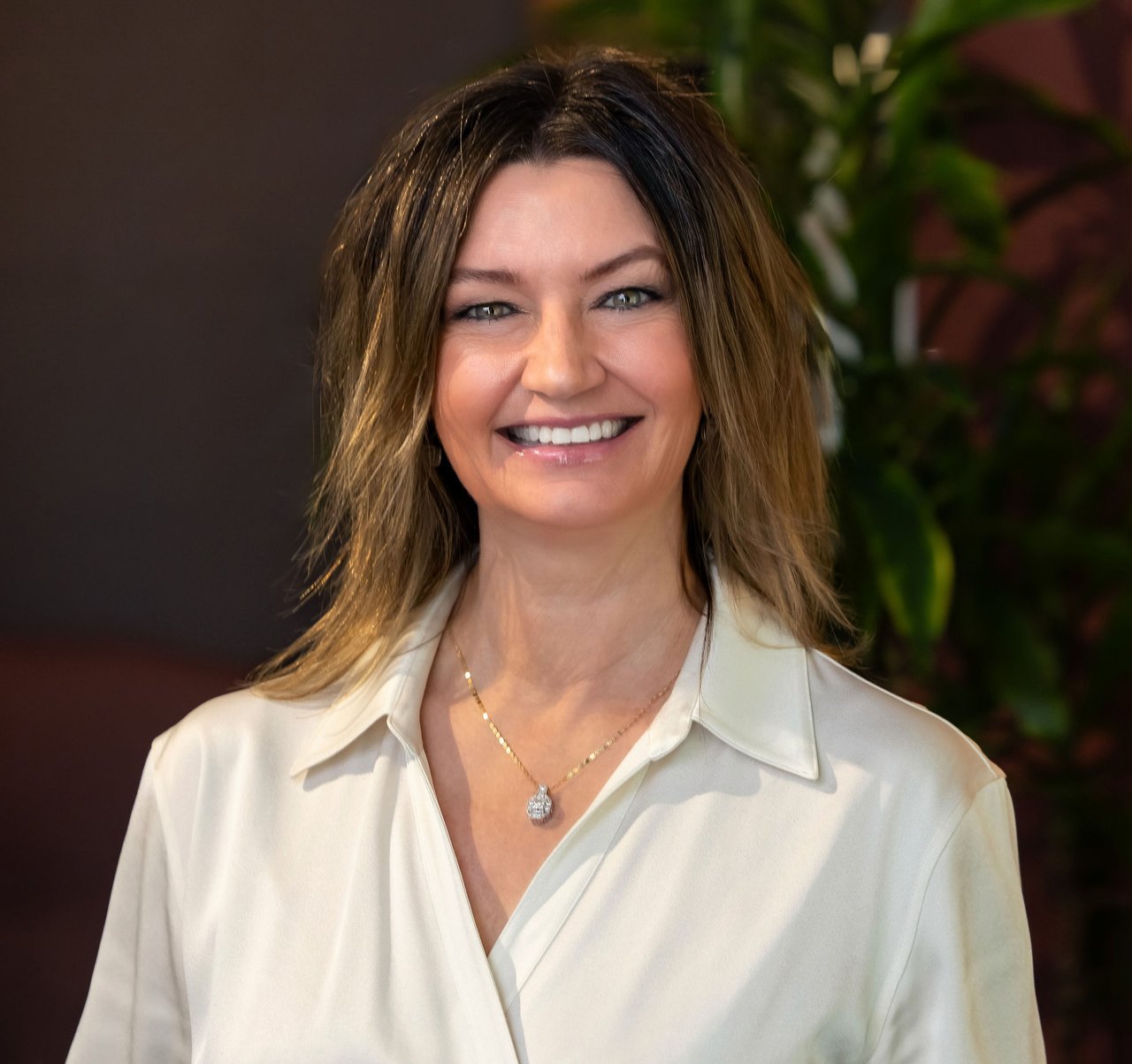
For more than three decades, Stephanie Nash has been one of the Peninsula’s most trusted and proven real estate advisors, serving Woodside, Portola Valley, Atherton, Redwood City, Emerald Hills, San Carlos, Half Moon Bay, and the surrounding communities from Burlingame to Los Gatos.
Born and raised on the Peninsula, Stephanie brings true insider knowledge of the region; its micro-neighborhoods, school corridors, country-property enclaves, and the lifestyle features that make this area so coveted: sunny weather, an easygoing spirit, hiking trails, large-parcel retreats, ocean-view hillsides, and world-class food and culture.
Stephanie began her real estate career in 1987 working in local title companies before becoming the assistant to a top-producing agent. She earned her real estate license in 1991, and since then has built a reputation as a solutions-driven, ethical, and steady negotiator who guides clients through every complexity of a California transaction.
Her track record includes everything from luxury estates to rural acreage to trust and estate sales, including the successful sale of a 500-acre property, a transaction requiring extensive due diligence, jurisdictional navigation, and long-term strategy.
Stephanie has been recognized multiple times by RealTrends as one of the “Best Agents in America,” most recently in 2024; an honor reserved for the top tier of agents nationwide based on verified production.
In addition to client representation, Stephanie now serves as a retained Expert Witness in California real estate cases—including valuation disputes, fiduciary sales, marketing standards, agent performance, disclosure practices, and industry-standard care.
Whether you are buying, selling, downsizing, expanding, or handling a trust/estate sale, Stephanie offers:
Deep regional expertise across multiple Peninsula micro-markets
Strong negotiation skills grounded in fairness, strategy, and consistent communication
Experience in complex transactions (trusts, estates, multiple-heir negotiations, title defects, rural land issues)
Compassionate guidance rooted in decades of hands-on client service
Unmatched availability and responsiveness
Clients praise her listening skills, honesty, and ability to navigate even the most emotional or complicated sale with clarity and professionalism.
Stephanie is deeply grateful for her family, her life on the Peninsula, and the meaningful relationships formed through her work.
Practical Remodeling Tips for Redwood City Homeowners Ready to Renovate.
What a Home Warranty Actually Covers, and Whether You Need One.
Real Estate in Historic Districts San Mateo Buyers Should Know Before Making an Offer.
Stephanie respects residential real estate’s dual role as a personal investment and chief financial one. Whether you are buying or selling a home, it will likely be one of the largest financial decisions you make. Stephanie will be with you every step of the way to expertly guide you.
Let's ConnectAddress
2930 Woodside Road
Woodside, CA 94062
CA DRE# 01104524